
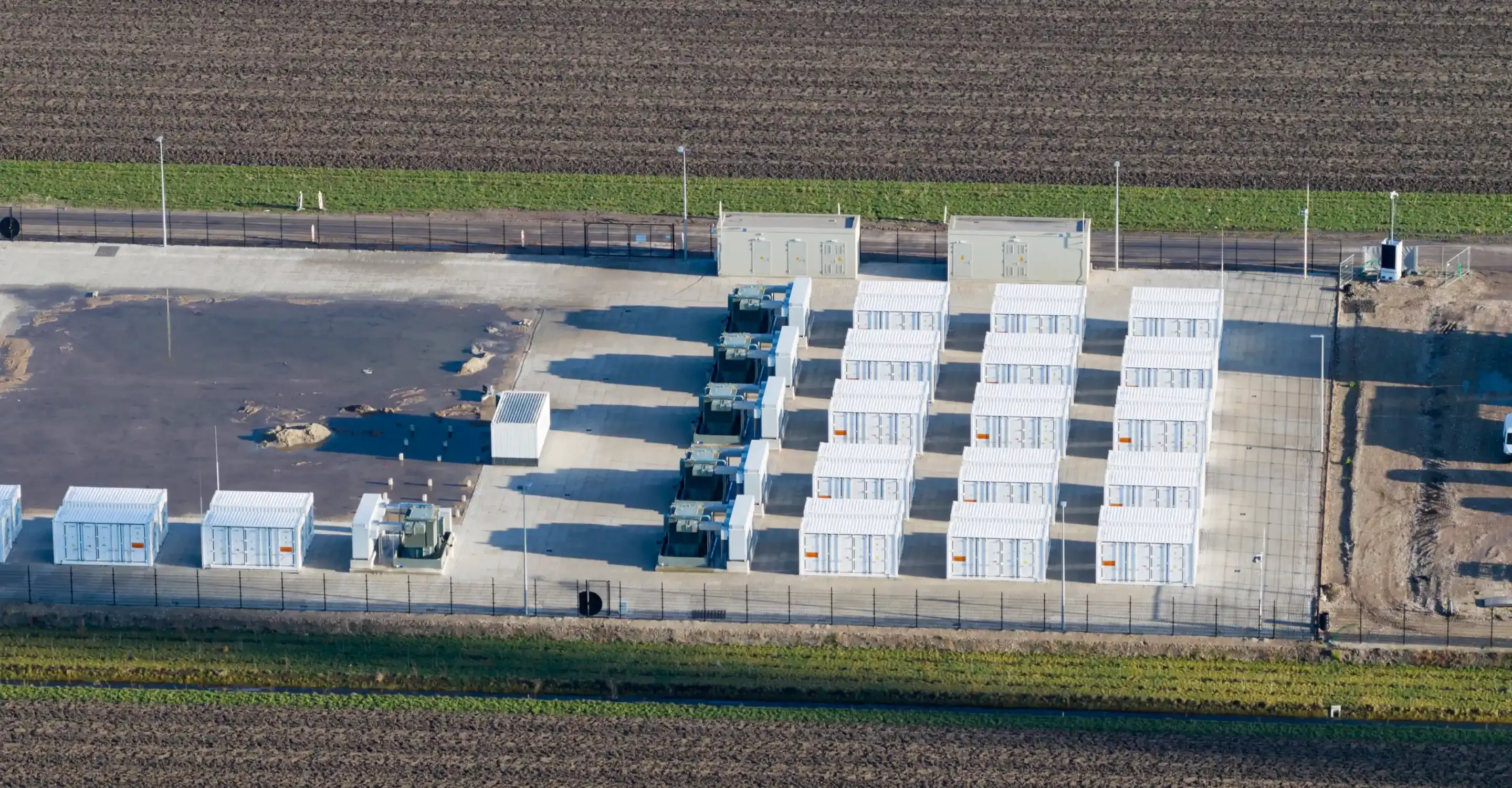
Renewable energy has reached the point where the question is no longer whether solar and wind can produce meaningful power. They can, and they already do. The bigger question now is how we make that power available when people actually need it most.
That is where long-duration energy storage becomes critical.
For years, batteries have mostly been discussed as backup power or short-term support for solar projects. A battery could help cover a few evening hours, reduce demand charges, or keep a facility running through a short outage. That is valuable, but it is not the full picture of where the energy market is heading.
As communities, utilities, data centers, tribes, businesses, and public agencies look for more reliable and affordable energy, the next phase of clean energy will require storage that can last longer than a few hours. It will require systems that can carry power overnight, through extended outages, during severe weather events, and across periods when renewable generation drops.
How the DOE Defines Long-Duration Storage
The U.S. Department of Energy defines long-duration energy storage as storage that can deliver electricity for 10 hours or more. DOE also describes it as a tool for improving grid reliability and resilience. That matters because resilience is becoming just as important as generation. Producing clean power is one thing. Delivering dependable power when the grid is stressed is another.
Most lithium-ion battery systems today are built for shorter windows, often around two to four hours. These systems are important and will continue to play a major role. They can shift solar energy into the evening, help balance the grid, and provide backup during shorter disruptions. But as renewable energy becomes a larger share of the grid, we will need more than short-duration storage.
Long-duration storage fills that gap.
The Answer Is a Portfolio, Not a Single Solution
Long-duration storage can help solve one of the most common concerns about renewable energy: what happens when the sun is not shining or the wind is not blowing? The answer is not to abandon renewables. The answer is to build smarter systems around them.
Solar, wind, short-duration batteries, long-duration storage, demand management, transmission, and microgrids all have a role to play. The strongest energy systems will not rely on one solution. They will be planned as a portfolio.
For Communities, Resilience Changes the Question
A resilience hub with solar and a short-duration battery may be able to support critical loads for several hours. That could be enough for certain situations. But what happens during a multi-day outage caused by storms, extreme temperatures, wildfire risk, flooding, or grid failure? What happens when residents need heating, cooling, refrigeration, medical device charging, communications, or emergency coordination for longer than one afternoon?
That is where the conversation changes.
Long-duration storage allows communities to think beyond temporary backup. It opens the door to true energy resilience. Schools, clinics, community centers, elder housing, water systems, emergency shelters, and other critical facilities can be planned with a much higher level of reliability. Instead of simply asking, “How much solar can we install?” communities can ask, “How long do we need to stay operational if the grid goes down?”
That is the right question.
The Economics Are Moving in the Same Direction
Long-duration storage is also important for economic reasons. Electricity demand is rising across the country, driven by electrification, manufacturing, data centers, and new infrastructure. At the same time, many communities are facing higher utility costs, aging grid infrastructure, and more frequent reliability concerns. Energy storage gives project owners more control over when power is used, how demand peaks are managed, and how renewable energy is valued.
The market is already moving in this direction. In the first quarter of 2026, the U.S. installed 9.7 gigawatt-hours of new battery storage capacity, the strongest first quarter on record and a 32% increase from the year before. That growth shows that storage is no longer a side conversation. It is becoming central to how energy projects are designed, financed, and operated.
Storage Is a Category, Not a Single Technology
Long-duration storage is not just one technology. It can include advanced batteries, flow batteries, thermal storage, compressed air, pumped storage, hydrogen-based systems, and other emerging solutions. Each technology has different strengths, costs, timelines, and use cases. Some may be better for utility-scale projects. Others may fit industrial sites, community microgrids, or remote facilities.
That is why planning matters.
Storage Belongs in Feasibility, Not After It
Not every project needs long-duration storage. Not every site can justify the cost today. But every serious energy plan should at least evaluate the role storage could play over time. For some projects, a short-duration battery may be enough. For others, especially critical infrastructure or communities with frequent outages, longer-duration options may be worth studying.
The mistake is treating storage as an afterthought.
Storage should be considered early in feasibility, not after the solar layout is finished. It affects interconnection, site design, financing, operations, maintenance, resilience planning, and long-term value. A project that only looks at first cost may miss the larger opportunity. A project that studies load profiles, outage risk, utility rates, available incentives, and future expansion can make a much smarter decision.
For Tribes and Communities, Storage Is a Sovereignty Question
For tribes and communities, this is especially important because energy planning is not only about power. It is about sovereignty, reliability, cost savings, emergency preparedness, workforce development, and long-term ownership. Long-duration storage can support all of those goals when it is planned correctly.
The future of clean energy will not be measured only by how many megawatts of solar or wind get built. It will be measured by whether those systems can deliver dependable, affordable power when people need it. Long-duration storage is one of the tools that can make that possible.
Solar Opened the Door. Storage Decides How Wide It Stays.
Solar helped open the door to a cleaner energy future. Storage will help determine how reliable, resilient, and useful that future becomes.
At Sun Bear Industries we study how communities can utilize battery storage to be in front of the energy transition and not behind it. The communities that start planning for that now will be in a strong position as energy demand continues to rise.